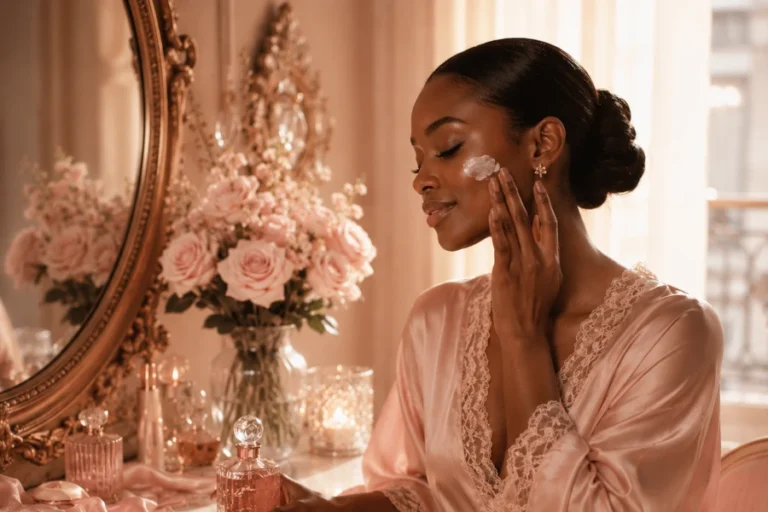
The best makeup routine is not the one with the most steps or the fullest drawer. It is the one you can repeat on an ordinary morning without feeling rushed or disconnected from your own style. An everyday makeup routine works when it gives every product a clear role and leaves enough space for your face to look like your face. You might want light coverage, defined brows, warm cheeks, or simply a rested-looking finish. Those preferences are a stronger foundation than whatever happens to be trending. Begin with the version of yourself you want to see in the mirror after ten or fifteen minutes. That image makes later choices easier. It also stops the routine from becoming a series of unrelated experiments. Makeup should build harmony, not compete for attention. With a few intentional decisions, your usual look can feel polished without becoming complicated.
Why an Everyday Makeup Routine Needs a Clear Starting Point
Before adding products, separate the categories that are truly part of your week from the ones you only reach for occasionally. Complexion, brows, lashes, cheeks, lips, and tools all deserve consideration, but not every category needs equal attention. A personal makeup system becomes clearer when you decide what you want each section to do. Perhaps concealer is more useful than foundation for you. Perhaps a sheer lip color does more for your confidence than an elaborate eye look. A practical makeup framework can help you map those priorities calmly. Then, build around the products that already perform well. Replace gaps only when they affect the routine you actually have. This approach protects your time and your budget. It also makes your kit feel more intentional from the beginning.
Choose Roles Before Choosing More Products
Balance is what makes a simple look appear finished. If the base is more polished than usual, you may want softer brows or a quiet lip. If the eyes are the focal point, the cheeks can be more restrained. This does not mean every feature must be minimal. It means the face should feel connected rather than crowded. The process becomes easier when you notice how one choice affects the next. Start with the skin prep and base that makes you comfortable. Add gentle definition where it helps you feel awake or shaped. Then step back from the mirror before adding more. That pause often shows whether the look needs color, texture, or simply a little time to settle. A balanced routine gives you options without overwhelming you. It lets your preferences guide the finish.
An Everyday Makeup Routine Builds From Balance
Most looks need one area to carry the visual interest. It might be a soft brow, a bright lip, lifted lashes, or a warm blush placed high on the cheeks. Choosing a lead feature keeps you from applying every product at full intensity. It also makes the routine easier to change for work, travel, or a casual evening out. Consider what feels natural with your clothing, hairstyle, and the amount of time you have. A feature-balancing approach can make those decisions feel less abstract. Build the supporting elements so they frame the lead rather than compete with it. You may discover that a smaller amount of product delivers a more confident result. The goal is not to erase personality. It is to create a finish that feels coordinated, comfortable, and easy to wear.
Let One Feature Lead the Look
Touch-ups become much simpler when they are planned before you leave the house. Think about what actually changes during your day. You may need a lip product, blotting paper, a small concealer, or nothing at all. Carrying every possibility often creates a heavy bag and more uncertainty. Your daily system should include only the touch-up steps that help you feel prepared. Pay attention to which areas wear differently in heat, cold, long meetings, or travel. Then choose a small backup plan that matches those conditions. This is also a useful time to consider texture. Cream products may need more attention than powders, while lips often benefit from a quick refresh. A thoughtful routine accepts that makeup lives in motion. Preparation makes that movement feel manageable instead of stressful.
An Everyday Makeup Routine Includes Real Touch-Up Plans
No routine stays fixed forever, and it should not have to. Seasons shift, skin preferences change, and your schedule may call for more or less makeup at different times. Keep a few dependable steps, then let the rest remain flexible. An adaptable routine plan makes it easier to adjust without starting over. Review your products when they stop serving the look you enjoy, not because you feel pressured to replace everything. Clean tools, notice which shades you finish, and keep a simple backup look for busy mornings. These small habits create continuity. They also keep your kit from growing without direction. The strongest routine is not rigid; it is responsive. It gives you a reliable base while still leaving room for experimentation and changing taste.
Keep an Everyday Makeup Routine Flexible Over Time
When makeup feels personal, it becomes a form of quiet preparation rather than a performance. Your routine can be short and still feel considered. It can be detailed and still feel easy, as long as every step has a purpose you understand. Start with the pieces that make the biggest difference to you. Let the rest support them. Over time, you will refine your own balance of coverage, definition, color, and comfort. That knowledge is more valuable than any fixed set of rules. It helps you get ready with less second-guessing on ordinary days and special occasions alike. A consistent system leaves more room for creativity because it gives you a dependable place to begin. The finish should look polished, but it should also feel unmistakably yours.